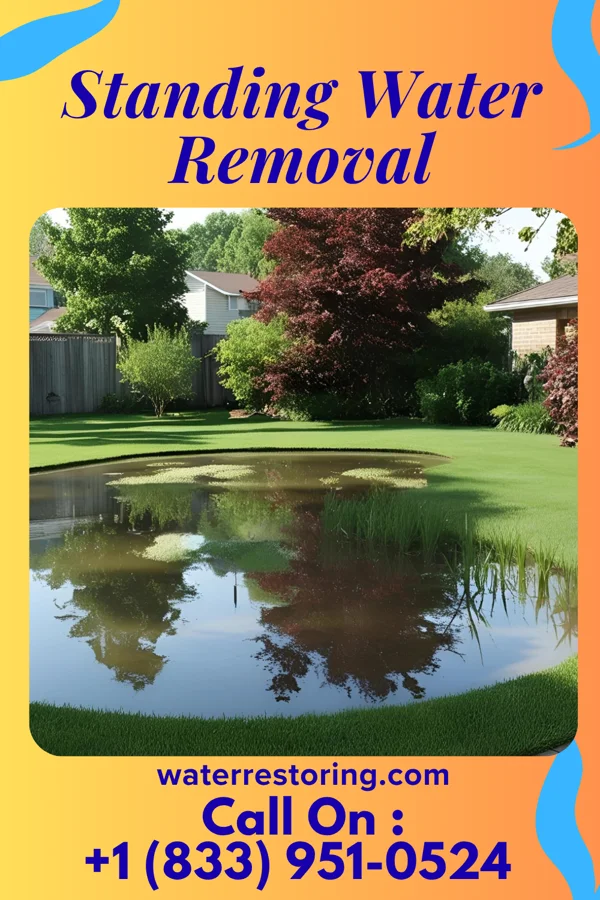
Standing Water & Insurance in Santa Barbara
In Santa Barbara, primary water damage often stems from sudden plumbing failures, such as burst pipes in older homes, and heavy rainfall events that overwhelm drainage systems, particularly in the Montecito and Mission Canyon areas. These incidents are common due to the region's aging infrastructure and occasional intense storms. is the most common trigger for standing water removal claims in Santa Barbara. A close second is Secondary causes include leaking roofs in coastal regions, especially after high winds or heavy rains, and water intrusion from nearby creeks or rivers during flash floods. Additionally, improper drainage around properties in the Eastern Goleta Valley can lead to persistent groundwater seepage.. Most homeowner insurance policies cover sudden, accidental water damage — the key is fast professional response with proper documentation.
Santa Barbara's Mediterranean climate brings mild, wet winters and dry summers, but the region is prone to sudden, heavy rainfall that can lead to flash flooding. The proximity to the Pacific Ocean also increases the risk of saltwater intrusion during severe weather events.
In Santa Barbara, In Santa Barbara, primary water damage often stems from sudden plumbing failures, such as burst pipes in older homes, and heavy rainfall events that overwhelm drainage systems, particularly in the Montecito and Mission Canyon areas. These incidents are common due to the region's aging infrastructure and occasional intense storms. drives the majority of standing water removal calls. A close second is Secondary causes include leaking roofs in coastal regions, especially after high winds or heavy rains, and water intrusion from nearby creeks or rivers during flash floods. Additionally, improper drainage around properties in the Eastern Goleta Valley can lead to persistent groundwater seepage.. Mold risk in this climate: Mold growth in Santa Barbara can occur rapidly due to the region's humidity and frequent rainfall, especially in homes with poor ventilation or water damage from storm events. Prompt action is critical to prevent health risks and structural damage.